Place · 4 min · 28 September 2026
Why Poland is becoming a serious wine country
Twenty registered producers in 2009. More than six hundred today. What changed in fifteen years, and what the first appellation will mean.
When Poland opened its register of wine producers in 2009, it held twenty names. By the first quarter of 2025 the count stood at 673 growers and 304 producers actively bottling wine. Vineyard area was 951 hectares in 2024 and passed 1,000 in 2025. Beside Hungary's 55,581 hectares or Austria's 44,210, that is still a small wine country. Beside twenty producers, it is a different one.
None of this begins in 2009. The Bull of Gniezno recorded vineyards near Płock in 1136. Cistercians planted at Paradyż in 1250, and at the medieval peak Polish vineyard came to something near 4,000 hectares. The frosts of 1513 and 1514, early in the Little Ice Age, destroyed the vines of Lubuskie. In 1826 Grempler & Co. opened a sparkling-wine house in Grünberg, and by the 1860s the hills around the town carried 1,400 hectares. In 1945 Grünberg became Zielona Góra, and its vineyards fell from 150 hectares to 66. Poland has made wine for nine hundred years. It has made it seriously, and in numbers, for about fifteen.
So the question is not whether wine can be made here. It is why so much of it is being made now. The honest answer has three parts: a border, a law and the weather.
The border came first. Poland joined the European Union in 2004. The law followed in 2008, and it let small registered producers sell their own wine. The register opened the next year with twenty producers on it. The average Polish vineyard today is 1.4 hectares, which tells you who walked through that door: families and small estates, most of them in their first or second decade, farming a slope they can walk in an afternoon.
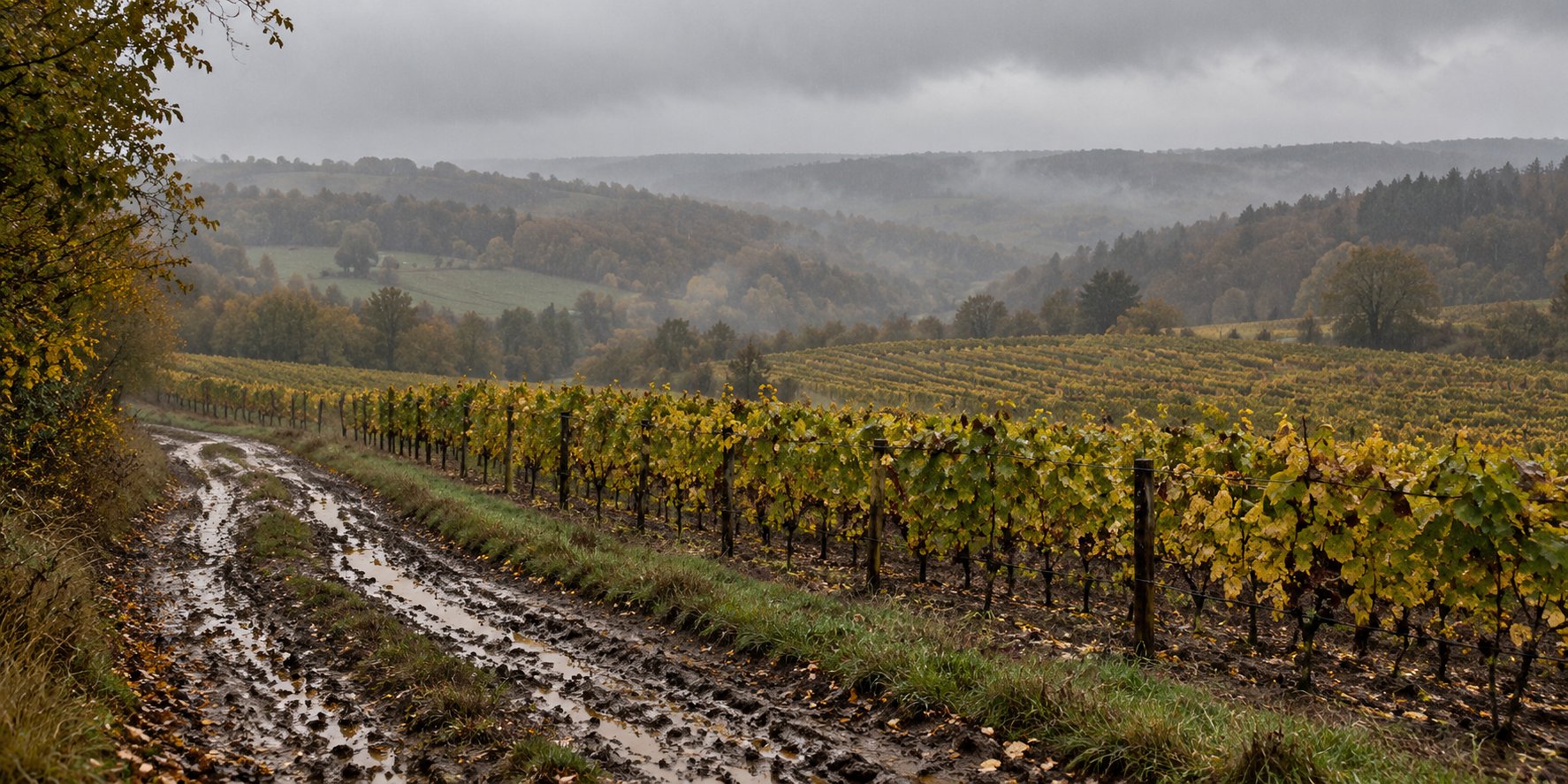
The weather is the slower change. Poland's climate is transitional, oceanic in the west and continental in the east, with a growing season of 180 to 230 days and 450 to 650 millimetres of rain in the lowlands. Mean temperature is rising by about 0.5 °C per decade. In 2021 the sum of active temperatures in central Poland reached 2,702 °C, enough to ripen mid-early varieties. Winter can still fall to −20 °C in Lubuskie, and warmer winters bring earlier budburst and more exposure to late frost. The season is getting longer. It is not getting safer.
What grows reflects all of this. About 80% of Polish plantings are still hybrid or PIWI varieties, bred to stand cold and disease. Solaris, released at Freiburg in 1975, is the most-planted white. Riesling is the leading vinifera, and Pinot Noir, on about 100 hectares, is the most-planted red. On the best slopes vinifera is replacing the hybrids. The wines are mostly white, crisp and aromatic, with a line of natural acidity that suits traditional-method sparkling and leaves room for pét-nat and skin contact.
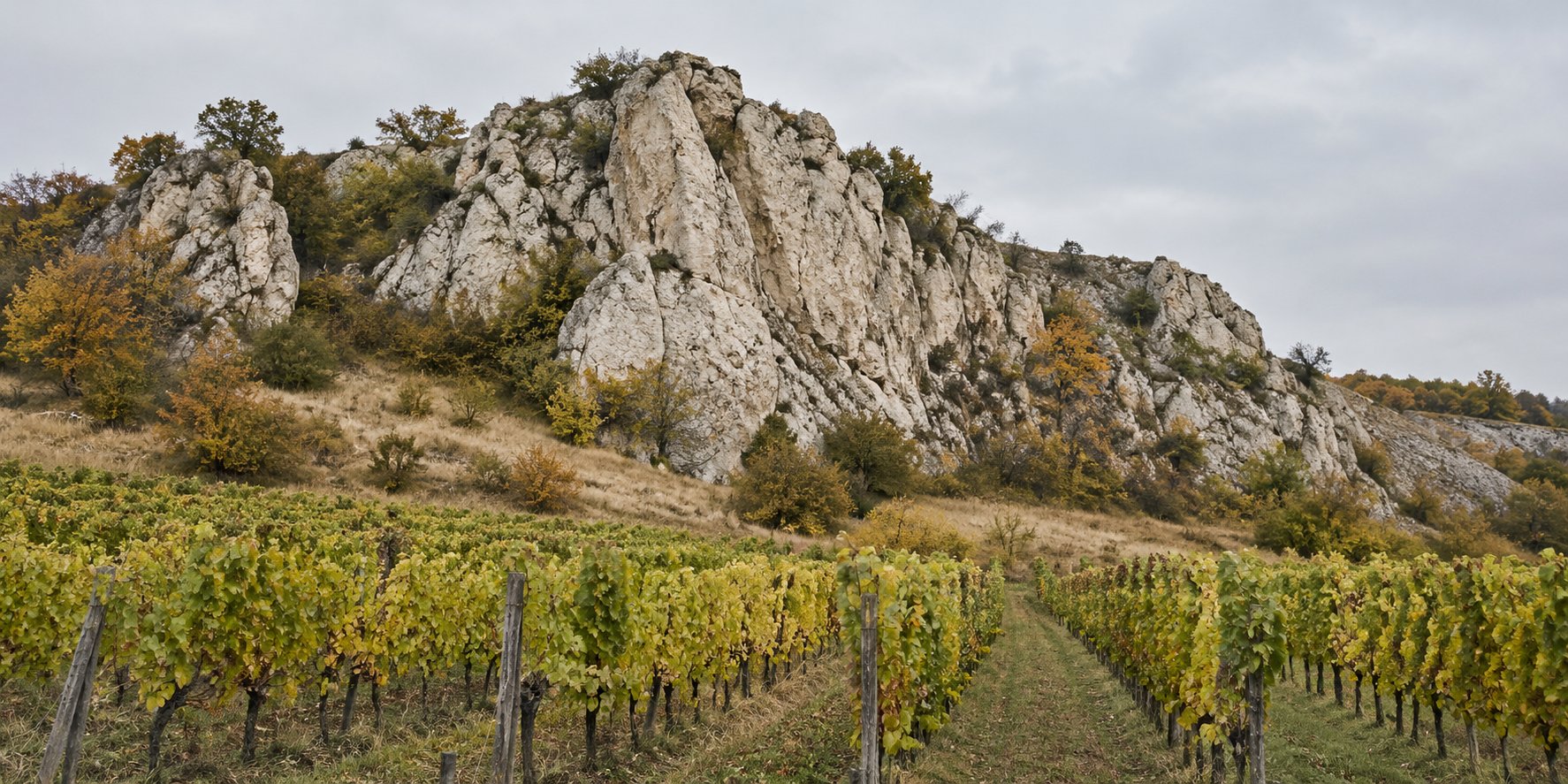
The places are starting to separate. Around Zielona Góra, in Lubuskie, the middle Oder hills keep the old Grünberg habits, and the Winobranie harvest festival has run there since 1852. Lower Silesia, around Wrocław, has the mildest climate in the country, with granite in the Sudeten foothills, and Pinot Noir and Chardonnay doing best. On the Vistula, the gorge at Kazimierz Dolny, with its loess and limestone slopes, is often called the quality leader, and it has become a cluster for natural wine. Three regions, three soils, three different answers to the same cool season.
What Poland does not yet have is an appellation. No PDO exists. The first application, for Lower Silesia, is in the EU process. When it comes through it will not make any wine better. It will draw a line on a map, write down what grows inside it and how, and give a drinker in another country a place name to trust before a producer name. For a wine culture that has spent fifteen years proving it can exist, that is the next step: saying where it is from. It is the step we most want to watch, and it is why our list starts here.