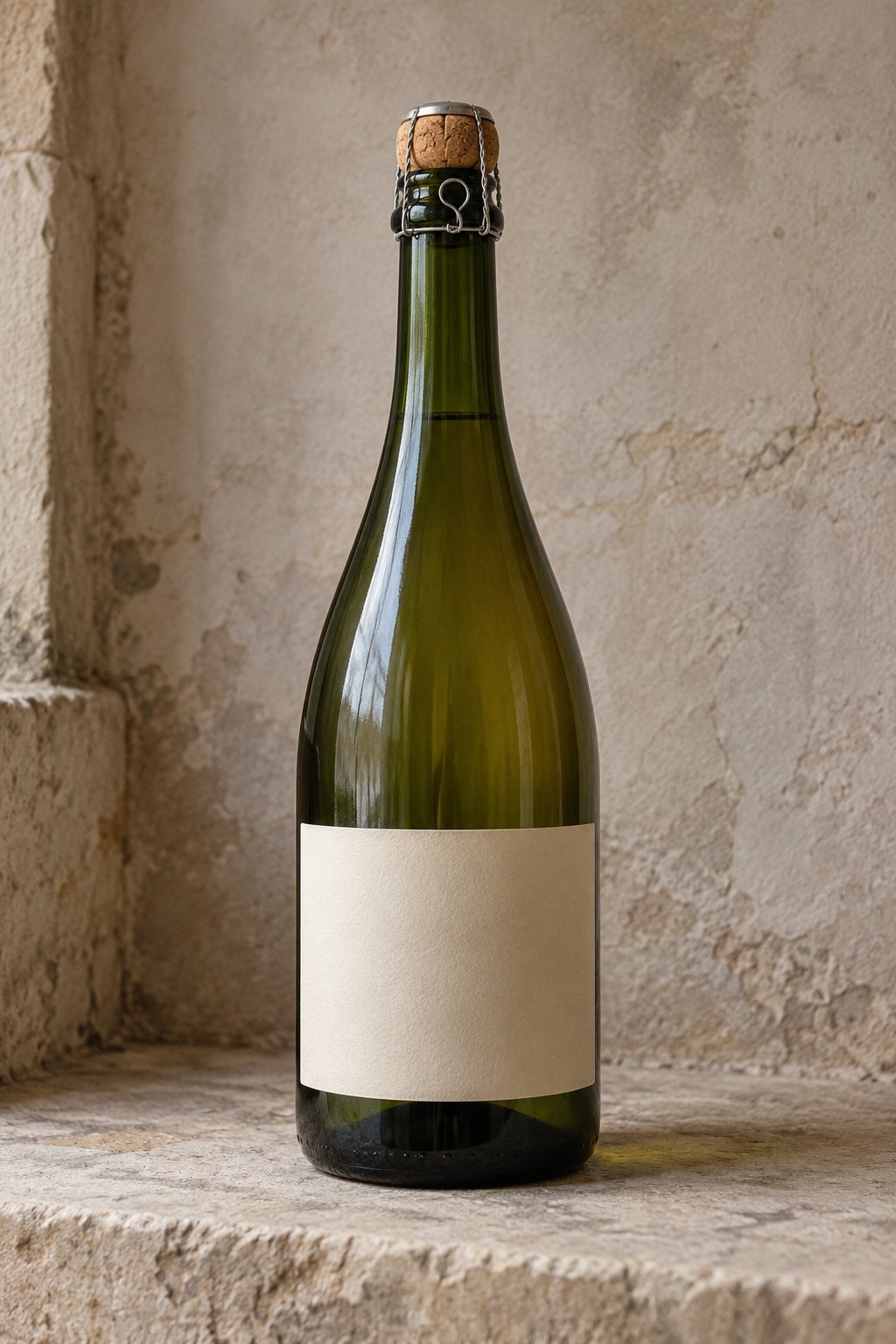
Winnica Turnau · West Pomerania · Poland
Bałtyk Brut
Chardonnay, Pinot Noir · 2021 · traditional-method sparkling
- Vintage
- 2021
- Grapes
- Chardonnay, Pinot Noir
- Alcohol
- 12.0% vol
- Soil
- loam & sand
- Elevation
- 50–70 m
- Farming
- sustainable, hand harvest
- Harvest
- by hand, early September
- Fermentation
- steel; second fermentation in bottle
- Ageing
- 30 months on lees
- Production
- 5,000 bottles
- Serve
- 6–8 °C
- Cellar
- 2–5 years
Tasting
Bałtyk is the Baltic. Chardonnay and Pinot Noir from sand and loam a hundred kilometres from the sea, made by the traditional method and left thirty months on its lees. Pale straw, with a fine, steady bead. Green apple, lemon and white flowers, then brioche and a little almond. The acidity is high and the dosage low, so it finishes dry and faintly saline. An aperitif that also holds its own at the table.
Food
Oysters, Smoked eel on rye, Potato pancakes with sour cream
Why does it taste like this?
Descend one layer at a time.
Grape · Chardonnay, Pinot Noir
Chardonnay: Burgundian vinifera, grown in Lower Silesia and Pomerania
Pinot Noir: Burgundian red. ≈100 ha across 120 Polish wineries; red cherry, raspberry, gentle tannin.
Soil · loam & sand
Loam & sand: Early, open, approachable. Credited with sparing Grünberg from the worst of phylloxera. Good for sparkling base wines.
Vineyard · Baniewice estateLow, open ground 100 km from the Baltic; the cool air keeps the acidity a sparkling wine needs.
Winnica Turnau.
Region · West Pomerania
Sand and loam about 100 km from the Baltic, home to Winnica Turnau, Poland's largest estate at 37 ha.
Climate · transitional oceanic–continental
Transitional oceanic–continental, EU zone A; growing season 180–230 days, 1,400–1,900 sunshine hours, 450–650 mm rain in the lowlands.
- Latitude
- ≈ 53.1° N
History · c.1600 BC to Today
- c.1600 BC
- Baltic amber reaches the Mediterranean; the road exists
- 1st c.
- Roman Carnuntum, Pannonia, Aquileia; vines along the Danube
- 966
- Christianisation; Bull of Gniezno records Polish vineyards
- 1136
- 1136 · The Bull of Gniezno
- 1250
- Cistercians at Paradyż; medieval peak near 4,000 ha
- 1513
- Little Ice Age frosts; the long cooling
- 1826–60s
- Grempler Sekt; Grünberg's 1,400 ha
- 1900
- Phylloxera; Moravia falls to 3,800 ha
- 1945
- Borders redrawn twice; Grünberg becomes Zielona Góra
- 1982
- Jasło, hobbyists, EU accession, the 2008 law
- 2008
- 2008 · The wine law
- Today
- 673 growers in Poland; the first PDO in process
See where this wine comes from
Bottle → producer → vineyard → region → country → Central Europe