- Vintage
- 2023
- Grapes
- Solaris
- Alcohol
- 12.5% vol
- Soil
- loess
- Elevation
- 150–180 m
- Farming
- natural, low intervention
- Harvest
- by hand, early September
- Fermentation
- skin contact, unfined
- Ageing
- 6 months in old oak, unfiltered
- Production
- 1,500 bottles
- Serve
- 11–13 °C
- Cellar
- 2–5 years
Tasting
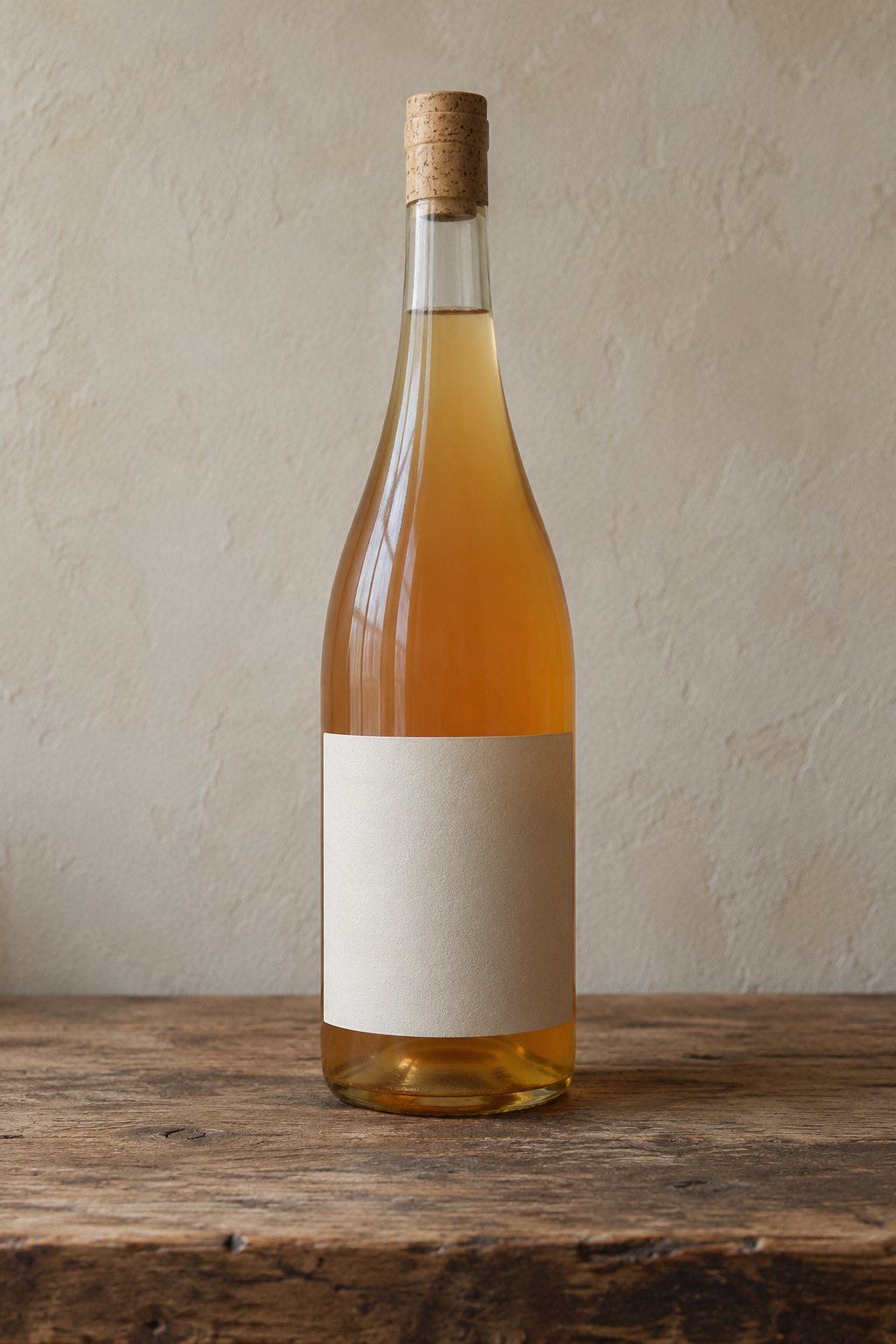
Less is the Polish word for loess. Solaris on its skins: deep gold, a little cloudy, unfined. Ripe yellow apple, pear and elderflower from the grape, then orange peel, chamomile and a light, dry grip from the skins. The loess gives it softness and breadth; the skins keep it from tasting sweet. Fuller than most Polish whites, with a gentle bitterness on the finish that makes it good at the table. Serve it cool, not cold.
Food
Roast chicken with lemon and garlic, Mild curries, Aged sheep's cheese
Why does it taste like this?
Descend one layer at a time.
Grape · Solaris
PIWI white, Freiburg 1975. Poland's most-planted variety; ripe, fruit-driven, early.
Soil · loess
Loess: Warm, porous, drains fast, holds just enough water. Ripe fruit, soft texture, generous aromatics.
Vineyard · WąwózWąwóz means ravine: rows on a loess cut above the Vistula, warm by day and misty at dawn.
Dom Bliskowice.
Region · Vistula Gorge
Loess and limestone slopes in the Vistula gorge around Kazimierz Dolny, called Poland's quality leader and home to a natural-wine cluster.
Climate · transitional oceanic–continental
Transitional oceanic–continental, EU zone A; growing season 180–230 days, 1,400–1,900 sunshine hours, 450–650 mm rain in the lowlands.
- Latitude
- ≈ 51.3° N
History · c.1600 BC to Today
- c.1600 BC
- Baltic amber reaches the Mediterranean; the road exists
- 1st c.
- Roman Carnuntum, Pannonia, Aquileia; vines along the Danube
- 966
- Christianisation; Bull of Gniezno records Polish vineyards
- 1136
- 1136 · The Bull of Gniezno
- 1250
- Cistercians at Paradyż; medieval peak near 4,000 ha
- 1513
- Little Ice Age frosts; the long cooling
- 1826–60s
- Grempler Sekt; Grünberg's 1,400 ha
- 1900
- Phylloxera; Moravia falls to 3,800 ha
- 1945
- Borders redrawn twice; Grünberg becomes Zielona Góra
- 1982
- Jasło, hobbyists, EU accession, the 2008 law
- 2008
- 2008 · The wine law
- Today
- 673 growers in Poland; the first PDO in process
See where this wine comes from
Bottle → producer → vineyard → region → country → Central Europe